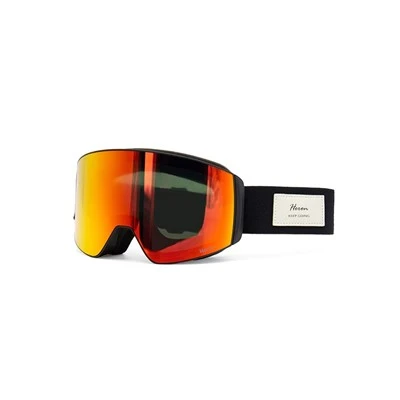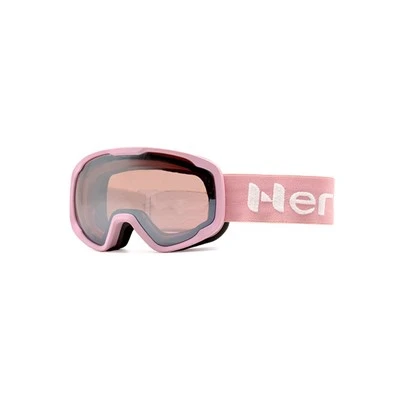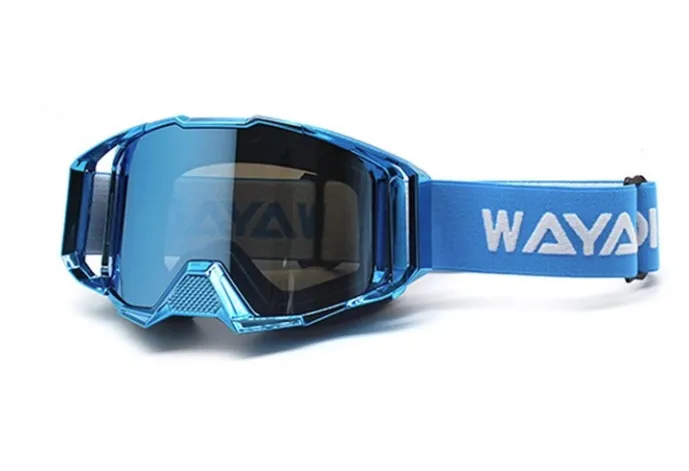
Motocross (MX) is an exciting sport. Riders face lots of dust, debris, wind and changing light. So MX goggles are more than just eye protection. They are important gear. They are made to handle the tough off-road riding. Knowing their special design helps riders pick gear. The gear keeps them safe and helps them ride better. It doesn't distract them.
Impact Resistance: Shielding Against Off-Road Hazards
MX riders often meet flying rocks, dirt clods and even branches when going fast. So impact resistance is a must. All good MX goggles use polycarbonate lenses. This material is 200 times stronger than glass. But it is light. Lenses also follow global safety rules. Examples are ANSI Z87.1 or CE EN1938. These rules make sure lenses won't break into pieces when hit. Frames are made of flexible, unbreakable polymers. TPU (thermoplastic polyurethane) is one example. It bends when hit. It takes in the shock. It doesn't crack. This protects the rider's face and eyes from direct hits.

Anti-Fog & Ventilation: Clear Vision in Extreme Conditions
Motocross rides mix hard physical work and cold, dusty air. Hard work makes riders sweat. This combination easily fogs up lenses. MX goggles fix this with two key features:
- Dual-layer lenses: There is a thin air gap between two polycarbonate layers. This gap acts as insulation. It stops warm, damp air from the rider's face from forming drops on the inner lens.
- Direct ventilation systems: There are wide vents. They are placed in good spots on the top and bottom of the frame. These vents pull in cool, dry air. They also push out damp air. Unlike regular goggles, MX vents often have a ribbed design. This design blocks dust and debris from getting in. It keeps lenses clear. And it doesn't cut down on airflow.
Dust & Debris Seals: Keeping Dirt Out
Dust is one of the biggest annoyances in motocross. Even small particles can irritate eyes. They can also blur vision. MX goggles use triple-layer foam seals. This foam is soft and thick. It fits tightly to the rider's face. The outer layer keeps moisture and dirt away. The middle layer takes in shock. The inner layer soaks up sweat. Some models add a rubberized skirt around the foam edge. This makes an even tighter seal. It stops dust from sneaking in. This works even when riders lean forward or jump over rough ground.
Lens Tints & Visibility: Adapting to Riding Environments
MX riders face changing light. It can be bright midday sun. It can also be cloudy woods. So lens tints are made for different situations:
- Clear lenses: They are good for night rides or low-light times. Examples are dawn, dusk or thick forests. They let in as much light as possible.
- Smoke/gray tints: They block glare on bright, sunny days. They reduce eye tiredness. And they don't change the color of things.
- Amber/rose tints: They make contrast better in cloudy or foggy conditions. This helps riders see ruts, rocks and changes in the ground easily. This is very important to avoid crashes.
Most MX goggles have quick-change lens systems. Riders can swap lenses in seconds. They don't need tools. This lets them adapt to changing weather quickly.