Over the years, our distributors and retail buyers have hit us with the same question so many times we've lost count: "What the heck is VLT, and which one do I actually need?" So we figured we'd put together the real‑talk version - not a textbook, just what we've learned on the factory floor and on snow. If you're eyeing a pair of sleek frameless goggles, getting VLT right is the difference between a great day and a headache.
So, What's VLT?
It stands for Visible Light Transmission - essentially, the percentage of light that makes it through the lens and into your eyes. That's it.
Low VLT numbers (think 5–15%) mean a dark lens that blocks most light. These are clutch for painfully bright bluebird days when you'd otherwise be squinting.
High VLT (60–90%) is almost a clear lens, letting in as much light as possible. Night skiing, flat storm light, heavy cloud - that's where they shine.
From a manufacturing angle, we get those percentages by tweaking the base tint of the polycarbonate and then layering on mirror coatings or flash finishes. A little more dye here, a different flash there, and suddenly the lens behaves differently.
The S0–S4 Levels
Optics nerds split lenses into five categories, S0 through S4. Here's the cheat sheet in plain language:
S0 (80–100% VLT): almost clear, for night, indoor, or soup‑thick fog. Color examples: clear, pale yellow.
S1 (43–80%): you'll grab these in heavy cloud, flat light, dusk. Pink, yellow, light blue are the classic tints.
S2 (18–43%): the jack‑of‑all‑trades. Variable days, partly sunny, partly "where did the mountain go?" Amber, rose, copper.
S3 (8–18%): bright sun, high altitude, your everyday sunny resort lens. Dark grey, dark brown, and most mirrored options.
S4 (3–8%): extremely dark - glacier skiing, extreme glare. Black, darkest mirror. Honestly, unless you're summer glacier touring, you can probably ignore S4.
Tint Color Isn't Just for Looks
VLT handles brightness, but tint color handles something almost as important: contrast.
Yellow, orange, and rose tints cut out blue light, which sounds minor but makes a huge difference in flat light. Suddenly those invisible bumps and terrain changes pop out - it almost feels like cheating. Grey and black tints don't mess with colors, so they feel more natural and less fatiguing when the sun is hammering you all day.
What's New from Our Side of the Factory
Frameless & Why It Matters
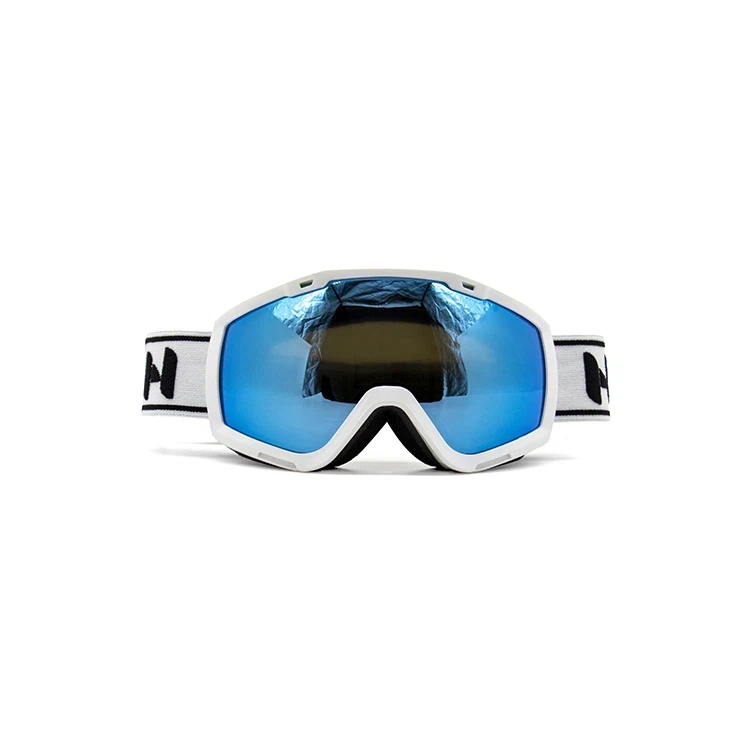
We didn't start making frameless goggles just because they look good (though, okay, they do). By ditching the chunky plastic frame, we can use more lens surface. That gives you a wider field of view and a way more immersive feel - less of that "toilet paper tube" effect when you're scanning for your next turn. When you combine that with the right VLT, you're actually seeing what's beside you instead of guessing.
Photochromic Lenses
If swapping lenses on the chairlift sounds miserable, photochromic tech is your answer. The lens shifts its VLT automatically based on UV exposure - start at an S1 when the clouds roll in, darken to an S3 once the sun punches through. It's not magic, just smart chemistry, and it can happen in seconds.
The Only Three Things I'd Worry About When Picking VLT
First, where do you actually ski most? Pacific Northwest with endless grey? You'll live in higher VLT lenses. Colorado Rockies and their 300 sunny days? Lower VLT is your daily driver.
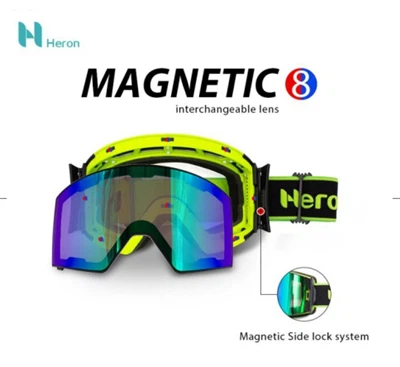
Second, magnetic swap systems are a game‑changer. Being able to pop a different lens in without wrestling with the frame means you can carry a storm lens and a sun lens in your pocket and not curse the whole process.
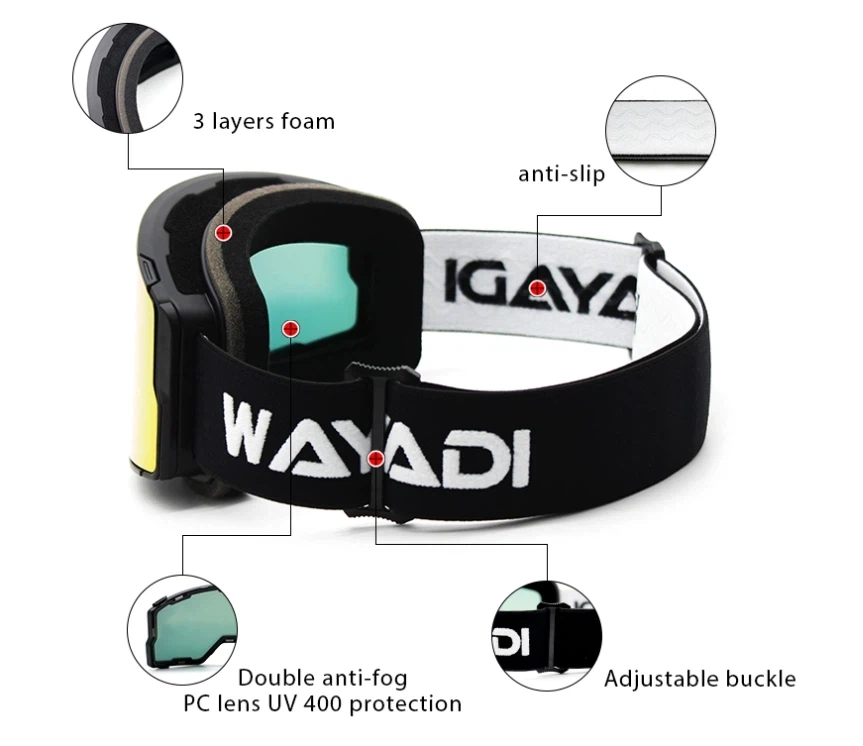
Finally, UV protection is non‑negotiable. Doesn't matter what VLT you pick - insist on guaranteed 100% UV400 protection. A dark lens without proper UV blocking is actually worse for your eyes than no lens at all, because your pupils open up and let more damaging rays in.
One Last Thing
VLT is basically the windshield wiper speed for your eyes. Match it to the weather and you won't even think about it; get it wrong and you'll be squinting or skiing blind. As frameless designs keep taking over, the view gets more immersive, which means lens choice matters even more - there's no frame to hide behind if you mess it up. Pick the VLT that fits your home mountain, and you're 90% of the way to a good time on snow. See you out there.