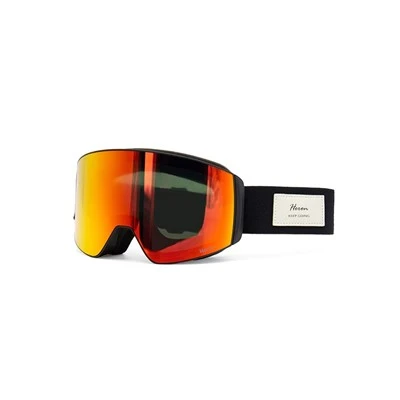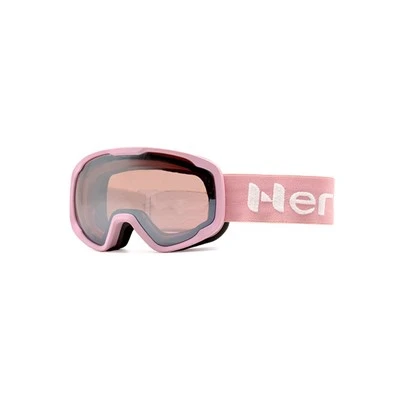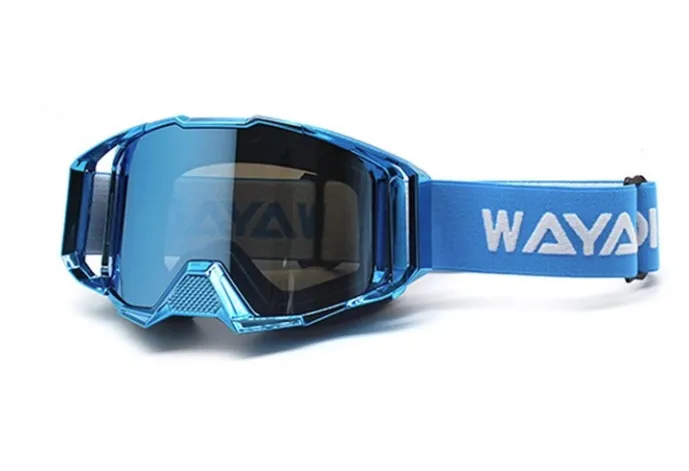
For B2B buyers and winter sports equipment distributors, selecting the best men's ski goggles requires a firm understanding of optical physics, material science, and evolving consumer demand. At Heron Sport, our flagship men's goggles are engineered to deliver superior contrast, impact resistance, and ergonomic adaptability across diverse high-altitude environments.
1. Lens Architecture and Optical Fidelity
While spherical and toric lenses are often marketed for reducing peripheral distortion, the modern cylindrical lens remains an excellent choice when precision-engineered. A professionally manufactured cylindrical lens with a low-profile frame can provide a wide lateral field of view and robust structural integrity at a competitive cost. This makes it particularly suitable for rental fleets and high-volume retail channels. Key to optical performance is understanding Visible Light Transmission (VLT). For bright, sunny conditions, a low VLT of 5%-25% with dark tints cuts harsh glare; in flat-light or storm conditions, a high VLT of 40%-80% with lighter tints reveals terrain contours.
2. Anti-Fog Engineering and Thermal Regulation
Fogging remains the primary performance failure point in winter sports optics. Our goggles address this through a triple-layer defense system: first, an inner lens with a permanent double anti-fog coating prevents condensation buildup. Second, a precisely engineered venting system balances airflow to equalize temperature differentials between the cold exterior and the wearer's body heat. Third, the three-layer moisture-wicking face foam actively draws perspiration away from the skin, maintaining a dry microclimate inside the goggle cavity.This integrated system ensures fog-free clarity even during intense physical exertion or rapid altitude changes.
3. Frame Compatibility, Fit, and Durability
Men's ski goggles must accommodate larger facial profiles while maintaining seamless helmet integration. An adjustable, non-slip silicone-backed strap ensures a stable goggle-to-helmet connection without pressure points, and discrete frame notches at the temples preserve comfort for wearers who use prescription glasses-this OTG (Over-The-Glasses) compatibility is a strong value-add for retailers. The TPU frame offers flexibility even in extreme cold, while the PC (polycarbonate) lens delivers high impact resistance. A hardened outer scratch-resistant coating further protects the lens from trail debris, packing, and daily rental use.
4. UV Protection and Contrast Enhancement
High-altitude environments intensify UV radiation and reflective glare. Our lenses provide UV400 protection, blocking 100% of UVA and UVB wavelengths. Advanced mirror coatings such as REVO technology not only shield against harsh reflections but also selectively filter specific light wavelengths to enhance contrast-enabling skiers to read snow textures and terrain variations with greater precision. For operations requiring all-condition adaptability, photochromic lens technology that automatically adjusts tint between VLT ranges can significantly reduce the need for lens changes throughout the day.
5. Market Trajectory and Procurement Strategy
The global ski goggle market is projected to grow from approximately USD 707 million in 2025 to USD 1,306 million by 2032, at a CAGR of 9.3%. Mirror, REVO, and photochromic lenses are driving premium-priced segment expansion. Compliance with impact resistance standards such as ANSI Z87.1, EN 174, and UV400 certification is non-negotiable for international distribution. With an MOQ of just 100 units and comprehensive OEM/ODM services including custom branding,dimensional file support, and flexible sampling, we provide partners with the technical expertise, quality assurance, and supply-chain agility needed to compete effectively in this growing market.
Welcome to contact Heron Sport today to discuss your specific procurement needs or request detailed product specifications.