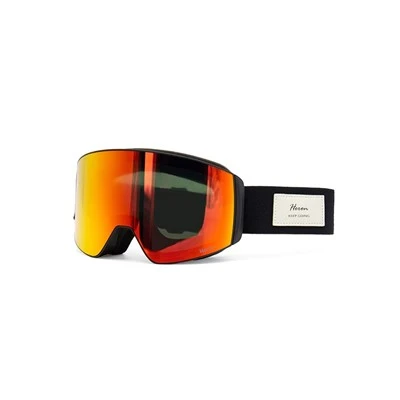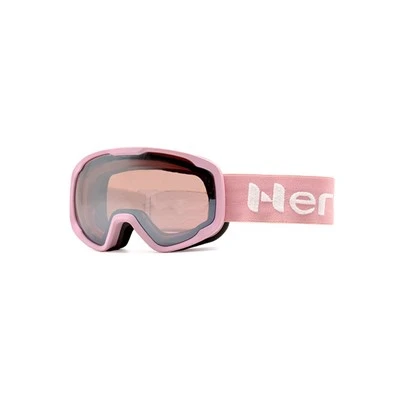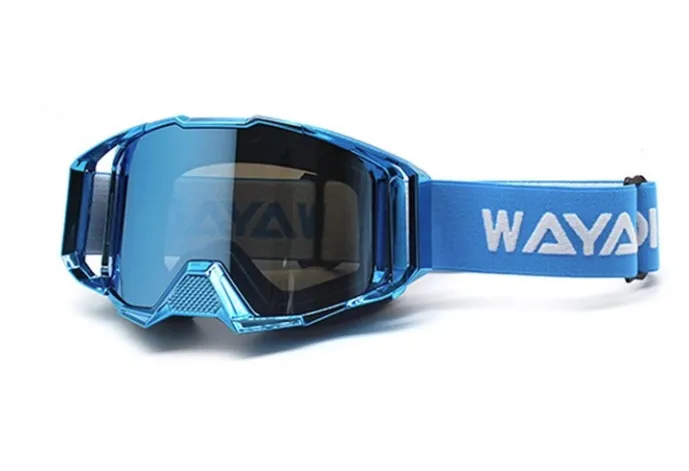
ski goggle lenses aren't just pieces of plastic cut to shape. The processing work behind them makes or breaks a rider's safety and comfort on the slopes. As someone who's spent years refining this step, I want to pull back the curtain on what actually matters when building ski goggle lenses.
The Non-Negotiable Base: Polycarbonate Lenses
First, material choice is non-negotiable: we only use polycarbonate (PC) for ski lenses. Here's why-regular plastic shatters too easily if you hit a branch or take a tumble, and glass is way too heavy (not to mention dangerous if it breaks). PC is lightweight, but it's also 200x more impact-resistant than glass. We test every batch by firing small ice pellets at it-if it chips, it doesn't make the cut. That's non-negotiable for slope safety.

Anti-Fog Coating: Beating Temperature Swing Headaches
Next, anti-fog coating is where the magic happens (and where many cheap goggles fail). Skiing means moving from cold slopes to warm lodges-temperature swings make condensation a nightmare. Our approach uses a dual-layer setup: first, we apply a hydrophilic coating to the inner lens (it soaks up tiny water droplets so they don't form fog). Then we bond a thin, breathable film over it-this stops the coating from wearing off after months of wiping. We also add micro-vent holes around the lens edge-they let air circulate without letting snow in. No one wants to stop mid-run to wipe foggy lenses.
UV Protection: Infused, Not Just Coated (UV400 All the Way)
UV protection is another non-negotiable step. At high altitudes, snow reflects 80% of UV rays-way more than the beach. We infuse UV blockers directly into the PC material (not just a surface coat) so it blocks 100% of UVA and UVB rays (that's UV400 standard). Surface coats wear off, but infused protection lasts the life of the lens. We've had riders tell us they used our goggles for 3 seasons and still tested zero UV leakage- that's the goal.
Optical Clarity: Sharp Vision for Spotting Bumps & Ice
Then there's optical clarity. Skiing needs sharp vision to spot bumps or ice patches. We use a CNC cutting process to shape the lens-this ensures the curve (whether spherical or cylindrical) is consistent across the whole surface. No more distorted vision at the edges, which causes eye strain. After cutting, we polish the lens with a fine abrasive pad-this gets rid of tiny scratches from processing, so the view stays crisp.
Products Description
Finally, we add a scratch-resistant top coat. Snow has tiny, sharp ice crystals that can scuff lenses fast. Our coat is a hard, silicone-based layer-we cure it with UV light to make it stick. We test it by rubbing the lens against rough snow for 10 minutes-if there's a scratch, we redo the coat.
At the end of the day, ski lens processing is about balancing safety, durability, and comfort. Every step-from PC selection to anti-fog coating-exists to make sure riders can focus on the slope, not their goggles.