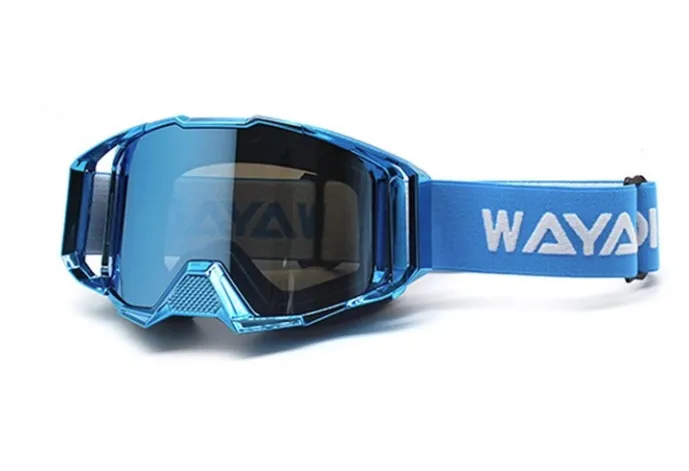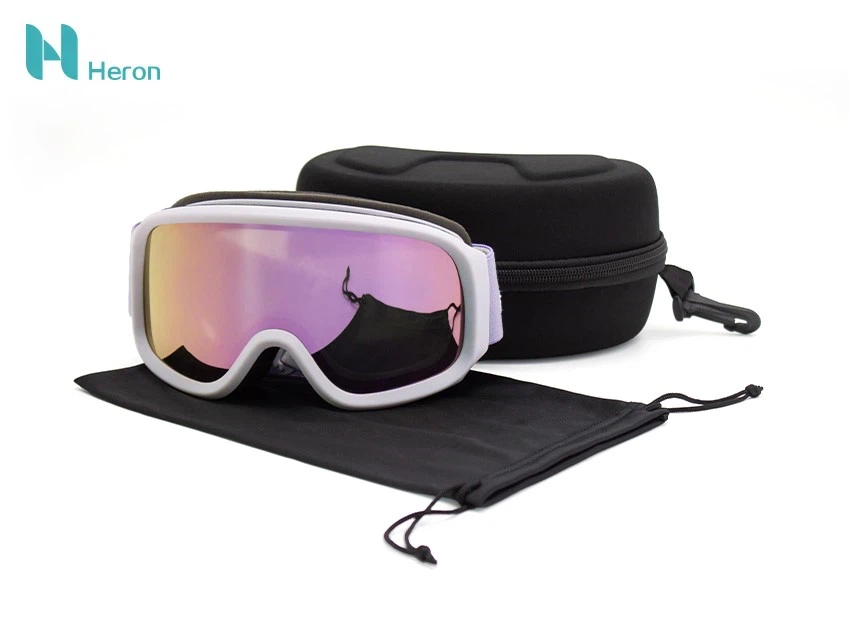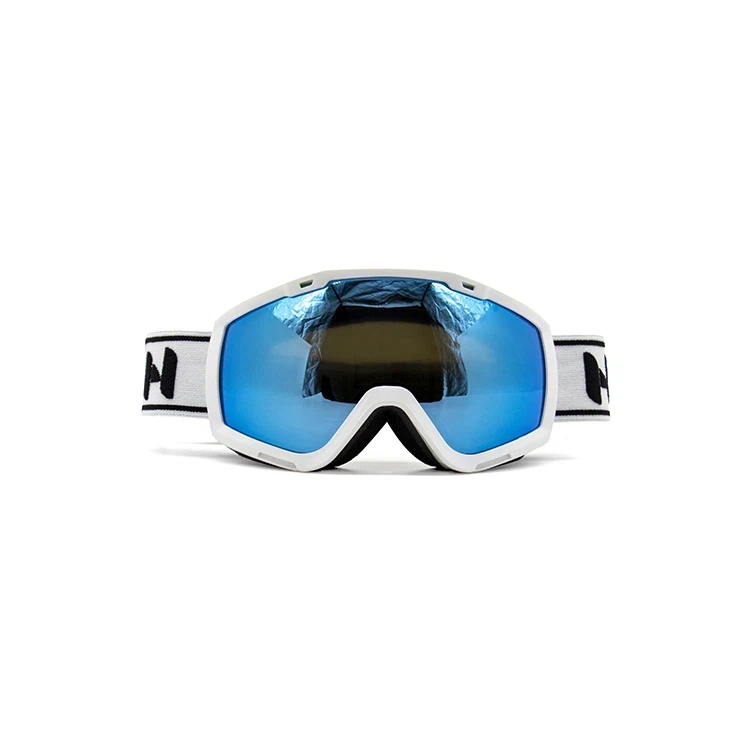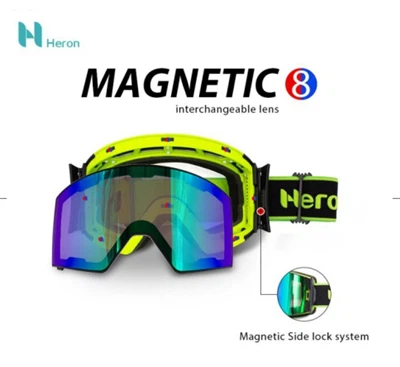
In the winter sports eyewear market, OTG (Over The Glasses) ski goggles fill an important gap. They fit the needs of millions of sports lovers who wear prescription glasses. These goggles have protection, comfort and practical use. They let users enjoy skiing, snowboarding and other winter activities without losing clear vision. For a sports eyewear manufacturer, knowing their core value and key features helps make products that customers trust. Here's a simple industry guide.
Core Design Concept: Glasses-Friendly Functionality
OTG ski goggles are made for one main need: fitting over prescription glasses comfortably. Regular ski goggles often press on glasses temples. They cause soreness after hours of wearing. OTG models fix this with an inner space of special shape. It fits most standard glasses frames-even slightly wider ones. The design avoids squeezing or rubbing. Users can wear both their glasses and goggles for long times without discomfort.
Another key design focus is lightness. These goggles weigh only 135 grams. They are so light that users barely feel them on their faces. When turning heads fast (like in snowboarding or avoiding obstacles), the goggles don't shift or pull. This stability keeps users focused on their sport, not their gear.

Key Materials & Functional Features
The performance of OTG ski goggles comes from good material picks and useful features:
- TPU Frame: The frame is made of TPU. This material is tough but flexible. It bends a little without breaking. It's perfect for putting into snow jacket pockets or bumping against other gear. It lasts in rough use during winter.
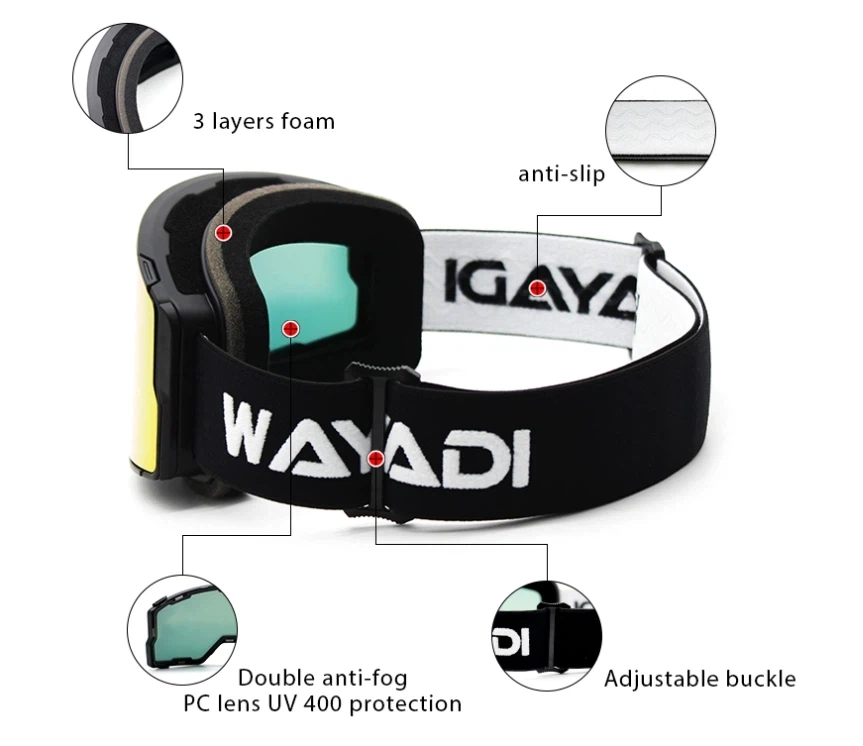
- REVO Lenses: The lenses have a REVO coating. It's not just for looks. Red and gold coatings work well in bright sunlight-great for sunny mountain days. Blue and silver work well on cloudy or snowy afternoons. All lenses block 100% of strong UV rays. They stop eyes from getting tired from squinting.
- Anti-Fog Sponge: A three-layer sponge is inside the goggles. The inner layer is soft and fuzzy. It doesn't rub cheeks raw, even when users sweat. Thin foam strips on top and bottom let fresh air flow in and out. The inside of the lens never fogs up-no more wiping while skiing.
- Lens-Lock System: Changing lenses is easy. No small tools are needed. Users just use their fingers to unlock and replace lenses. Once locked back, the lens stays tight. It won't pop out even if the user trips and falls.
Versatile Application Scenarios
OTG ski goggles aren't just for one sport. They work well in many winter activities:
- Alpine Skiing: High places and bright sun need strong UV protection and anti-fog features. These goggles keep vision clear on steep slopes.
- Cross-Country Skiing: Long-distance trips need comfort and lightness. The goggles' design makes distractions less for endurance sports.
- Snowboarding: Dynamic rides and tricks need a secure fit and stable lenses. The OTG design keeps glasses in place. The lens-lock system keeps lenses secure during fast movement.
- General Winter Activities: They work for snowshoeing, winter hiking and other snowy outings. They protect eyes from UV rays, wind and snow.
Sourcing & Customization Tips for Manufacturers
When making or buying OTG ski goggles, focus on these key points:
- MOQ Requirements: The minimum order quantity is 100 pieces per model per color. This fits mass production needs for most manufacturers.
- Sample Lead Time: Standard design samples take 1–3 days to prepare. Custom designs need 2 weeks. Plan ahead for product testing or client shows.
- Customization Options: Frame and lens colors can be changed. Brands can add small logos on the frame (not just packaging). This helps make unique products for different markets.