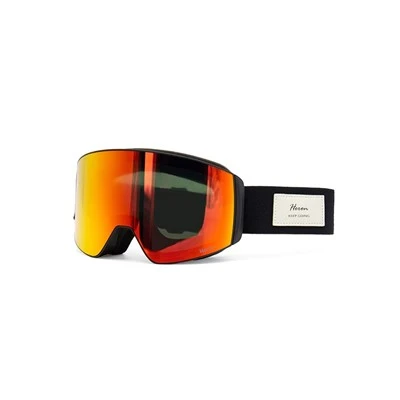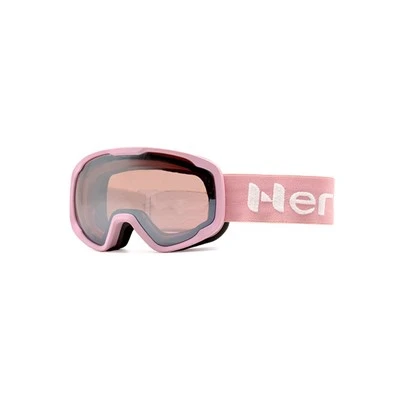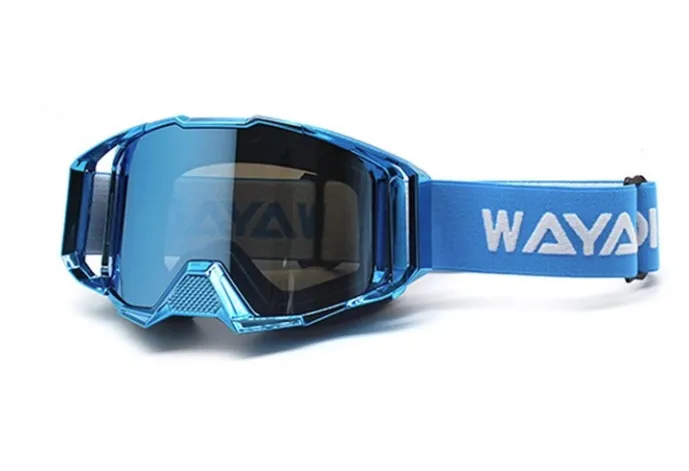
In the skiing world, having the right gear isn't just about style-it's about staying safe and performing well. Ski goggles, which some skiers think can work for any situation, actually need to fit the specific conditions you're in. Different weather, light levels, terrain, and how hard you ski all call for different goggle features. Off-white ski goggles, with their ability to work in various scenarios, show why picking the right goggles for each scene is so important.
Choosing Lenses Based on Weather and Light
Light conditions totally change how well you see on the slopes, so picking the right lens is key.
Sunny or Strong Light (Like Alpine Skiing or Glacier Trips): Go for dark lenses-colors like gray, black, or dark brown are best. These lenses let 8% to 18% of light through. Look for labels such as "CAT 3" or "CAT 4" (CAT 4 lets even less light through, which is perfect for super bright midday sun). They block more than 90% of harsh light, so you won't be blinded by snow glare.
Cloudy or Low Light (Like Snowy Days or Forest Skiing): Light-colored lenses work better here-try yellow, orange, or rose tint. Their light transmittance is 25% to 40%, and they're marked as "CAT 1" or "CAT 2". These lenses make contrasts sharper, so you can spot bumps in the snow or obstacles like trees and rocks easily. You won't have to deal with blurry vision from dim light.
Changing Weather (Mix of Sun and Cloud, or Big Temperature Swings): Photochromic lenses are a smart pick. They change color by themselves based on how much light there is, with a transmittance range of 10% to 35%. They're great for a full day of skiing when the weather keeps changing. But keep in mind: in really cold weather (below -15℃), they take longer to change-up to 3 to 5 minutes slower.

Picking Features for Terrain and Intensity
What kind of skiing you do and the terrain also tell you what goggles you need.
High-Speed Skiing (Like Alpine Downhill or Races): Focus on goggles with a wide field of view and strong impact resistance. Lenses should let light through in a stable way (so avoid photochromic ones if you're worried about delay). The frame should fit snugly to cut down on wind resistance-these are the kind professional skiers use in competitions.
Park Skiing (Doing Tricks or Jumps): Go for lightweight goggles that are scratch-resistant. The edges of the frame should be smooth (so you don't get hurt if you fall). The strap needs to have good grip (so it stays on when you do tricks). Also, being able to swap lenses quickly is helpful-you can adjust to the light at the park fast.
Indoor or Beginner Skiing: Stick with goggles that have basic anti-fog and low light transmittance (indoor light is dim, so you don't need strong light blocking).
Skiing is all about adapting to what's happening, and your goggles should do the same. By matching goggles to the scene-whether it's light, terrain, or how hard you're skiing-you make your time on the snow safer and more enjoyable. As skiing gear keeps getting better, this focus on choosing gear for specific scenes is only becoming more important for skiers everywhere.