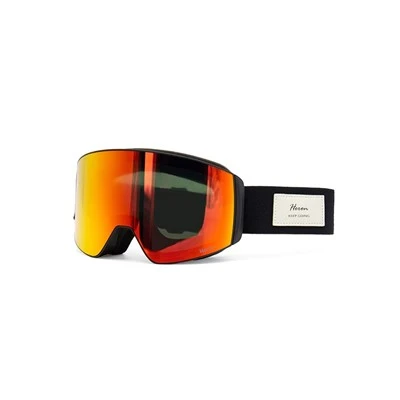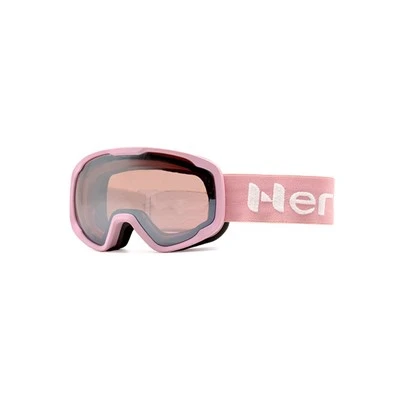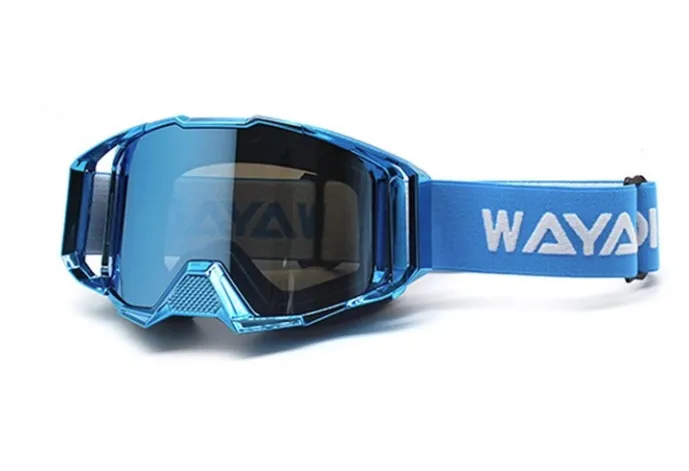
I know ski goggles are not just a "winter accessory". They are important gear for safety and good skiing. Picking the right pair can make a skier's experience good or bad. It doesn't matter if they are skiing on hard black diamond trails or easy slopes. Here's what every skier (and shop owner) needs to know about ski goggles.
Core Features That Matter Most
First, anti-fog technology is necessary. Skiers often go from cold outdoor air to warm lodge rooms. This makes moisture build up. Good goggles have two layers of lenses. There's a vacuum seal between them. This reduces temperature differences. They also have small vents on the frame. These vents let moist air get out. Don't use single-layer lenses. They fog up fast. They ruin your ability to see.
Second, UV protection is a must. Snow reflects up to 80% of sunlight. This makes UV rays twice as strong. All our goggles have UV400 protection. It blocks 100% of UVA and UVB rays. This stops eye tiredness, snow blindness (temporary loss of vision) and long-term damage like cataracts. Parents and people who ski a lot care about these points.

Third, lens color changes how well you ski. Different colors work for different weather:
- Dark colors (black, gray, mirrored) are for bright, sunny days. They reduce glare. They don't change colors.
- Light colors (yellow, amber, rose) are for cloudy or low-light days. They make contrasts clearer. This helps skiers see bumps or icy spots.
- Clear lenses are for night skiing or foggy days. They let in as much light as possible. They don't change what you see.
How to Choose the Right Fit
Fit is as important as features. A good pair of goggles should:
- Fit tightly against the face. No gaps! This keeps snow and wind out. Look for frames with soft foam padding. This fits different face shapes. It also makes you comfortable during long days on the slopes.
- Work with helmets: Most new goggles have a "helmet-friendly" design. The top of the frame is slimmer. This lets them fit under helmet straps. They won't press on your forehead.
- Have adjustable straps: Elastic straps have silicone strips. These stop the straps from slipping. This works even when you wear a beanie or helmet.
Products Description
To keep goggles in good shape:
- Clean the lenses with a microfiber cloth. Never use paper towels. They scratch the anti-fog coating.
- Don't touch the inner lens with your fingers. The oil from your fingers causes fogging.
- Store goggles in a soft pouch. Don't use a hard case. This protects the lens coating and the frame.