The Physics of Fogging: Why Double Layers Matter
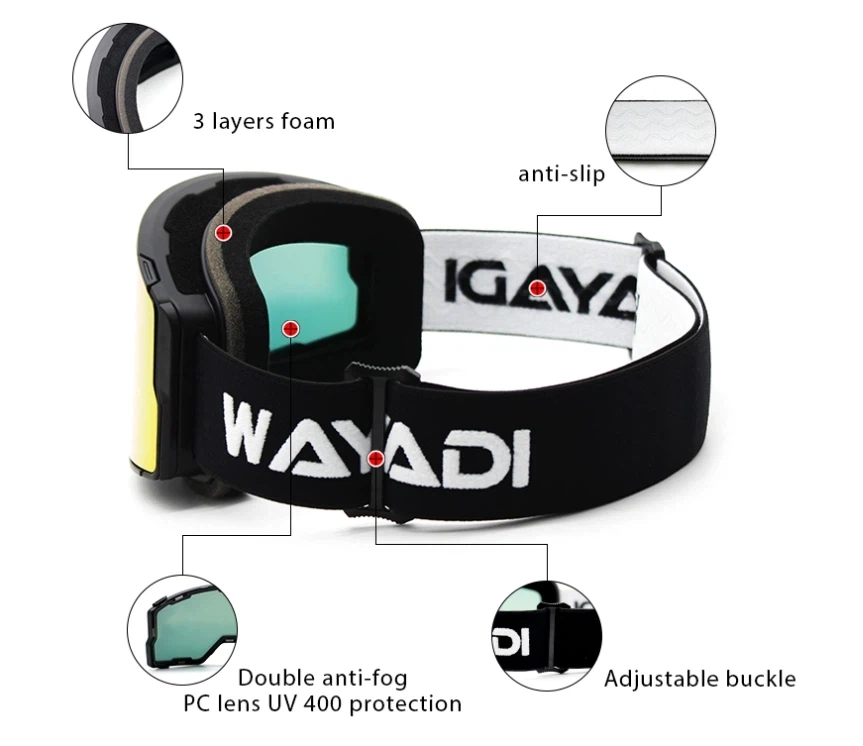
Fog forms when warm, moist air from a skier's breath meets a cold lens surface, creating condensation. Traditional single-layer lenses struggle to manage this thermal imbalance. Double layer designs solve this through:
- Thermal Isolation: An air gap between the inner and outer lenses buffers temperature differentials.
- Hydrophobic Inner Coating: Chemically bonded nano-silicone layers on the inner lens repel moisture molecules.
- Outer Lens Venting: Micro-perforations along the frame edge allow controlled airflow without exposing eyes to wind.
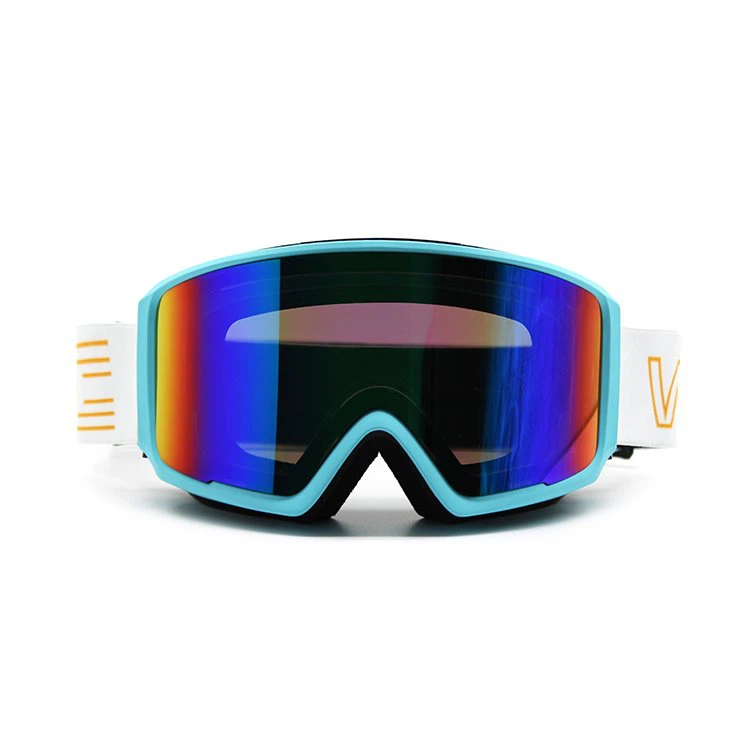
Beyond Basic Coatings:
- Plasma-Enhanced Deposition: Factories now use vacuum plasma chambers to fuse anti-fog compounds (e.g., SiO₂ or TiO₂) at a molecular level, ensuring 500+ wipe cycles without degradation.
- Heated Lens Systems: Premium brands integrate transparent graphene-coated circuits between layers, powered by micro USB-rechargeable batteries. These maintain a constant 2–5°C surface temperature, eliminating fog in zero-ventilation scenarios.
- Enzyme-Activated Films: Borrowing from biotech, some lenses embed protease-based films that break down organic residue causing fog nucleation.
Frame Integration:
Even the best lens tech fails if the frame isn't optimized. Key advancements include:
- Triple-Point Sealing: Silicone gaskets with three contact zones (brow, cheeks, nose) prevent breath leakage.
- Magnetic Quick-Release: Lenses pop out for cleaning without compromising seal integrity-critical for maintaining anti-fog performance.
- Foam-Free Liners: Some brands now use thermoplastic polyurethane (TPU) molded liners with integrated moisture-wicking channels, replacing traditional foam that traps humidity.
Sustainability in Anti-Fog Production
Eco-conscious manufacturing is reshaping the sector:
- Solvent-Free Coatings: Water-based anti-fog solutions cut VOC emissions by 70% during application.
- Recyclable Lens Stacks: Brands like Julbo and Bolle now design lenses where layers can be separated post-use, enabling polycarbonate recovery.
- Carbon-Neutral Factories: Leading European producers offset emissions via reforestation programs tied to ski resort expansions.
For wholesalers, stocking these products isn't just about margins-it's about aligning with a market that values safety, innovation, and environmental stewardship.
As climate change alters snowfall patterns and ski seasons, reliable anti-fog technology will remain a cornerstone of winter sports.