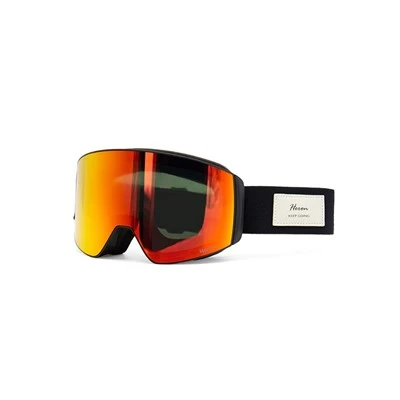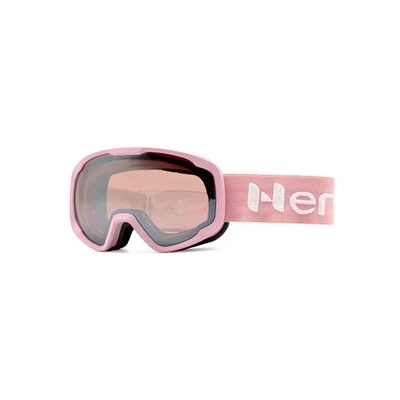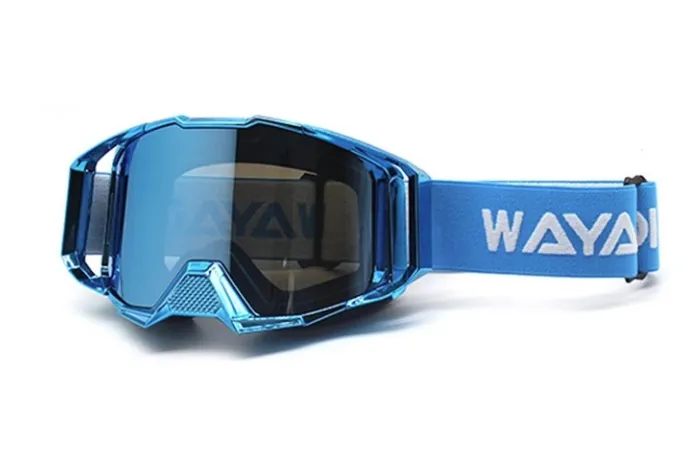
Let's cut to the chase: Skiing without goggles isn't just uncomfortable-it's dangerous. We've supplied retailers for 15 years, and the data doesn't lie. Over 35% of ski injuries involve eye exposure or impaired vision (2024 Snow Sports Safety Report). With the global ski goggle market surging to $1.35 billion by 2033 (CAGR 9.6%) 19, this isn't just growth-it's a wake-up call about safety prioritization.
Advantages of ski goggles
- Defense Against Solar Assault
UV Radiation: Snow reflects up to 80% of UV rays-double water or sand. Premium goggles block 100% of UVA/UVB rays , preventing photokeratitis ("snow blindness") and long-term retinal damage .
- Fog & Climate Warfare
Anti-Fog Mechanics: Dual-layer lenses with hydrophobic coatings trap air to prevent condensation. Single-pane alternatives fog instantly during exertion .
- Ergonomic Sealing
Flexible TPU frames eliminate pressure points during 6-hour resort days .


- Ventilation Systems:
Hard plastic mesh ventilation design , not only made the ski goggle stable , no need to take off the ski goggles when you want to change the spherical lens , you could replace the lens on the head directly , but also vented well,keep the lens dried all the time.
- Physical Protection: Debris and Impact
Critical against ice chunks, branches, or equipment failures.
- Sealed Environments
Triple-layer foam blocks wind, snow ingress, and particulates >5 microns.
The Bottom Line
"Ski goggles are the unsung heroes of injury prevention," says Dr. Lena Torres, Aspen Ski Patrol Medical Director. "We treat far fewer eye traumas than decades ago-not because crashes decreased, because goggle tech improved."
Ski goggles aren't optional; they're the cornerstone of mountain safety. As snowfall variability intensifies (2024 saw 30% more icy patches in Northeast resorts), clear vision isn't just convenient-it's survival.