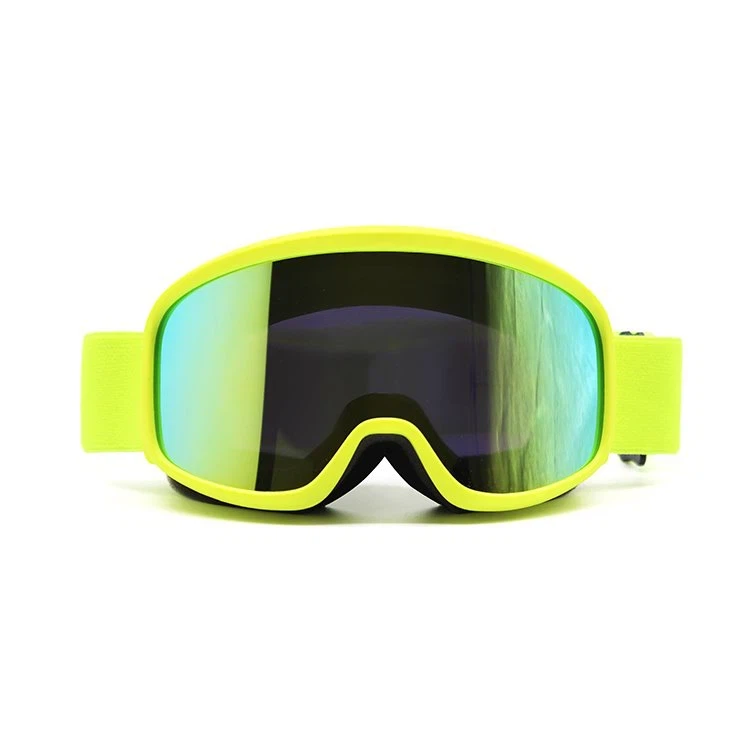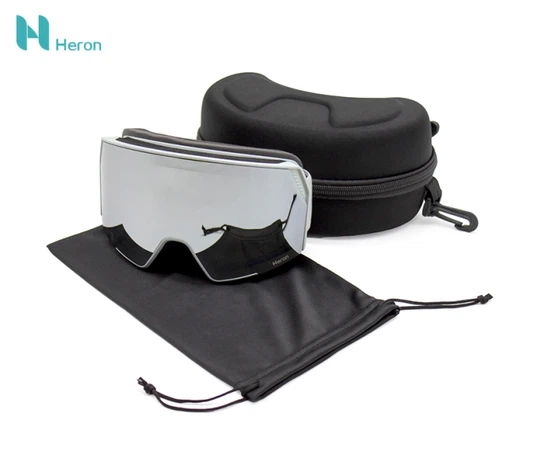
Today's consumers demand more than just style-they prioritize optical clarity, durability, and eco-conscious design. Behind every high-performance ski goggle lies a meticulous processing journey.
Lens Technology:
- Dual-Layer Lenses: Anti-fog coatings sandwiched between two lenses prevent condensation, even in rapid temperature shifts.
- Chromapop/Polarized Processing: Advanced dyeing and polishing techniques enhance contrast, reducing eye strain in flat light.
- Photochromic Adaptability: UV-reactive lenses auto-adjust tint, eliminating the need for interchangeable lenses.
- Modern CNC milling ensures micron-level precision, while hydrophobic coatings applied via plasma deposition repel water and snow.
Frame Engineering:
Ski goggle frames must withstand impacts while remaining comfortable. Innovations include:
- Injection-Molded: These materials offer cold-weather flexibility (-30°C) and reduce weight by 25% vs. traditional PVC.
- Ventilation Systems: Micro-channel airflow designs, integrated during molding, prevent fogging without compromising insulation.
Foam and Sealants:
The foam lining is critical for comfort and thermal insulation. Leading manufacturers now prioritize:
- Hypoallergenic Memory Foam: Antibacterial treatments reduce odor during prolonged use.
- Bio-Based Adhesives: Plant-derived sealants replace petroleum-based glues, cutting carbon footprints by 40%.
Testing Protocols:
Rigorous testing ensures reliability in extreme conditions:
- High-Velocity Impact Tests: Lenses are shot with ice pellets at 120 km/h to simulate blizzard conditions.
- Extended Fogging Trials: Goggles endure 24-hour humidity cycles (95% RH at 40°C) to validate anti-fog claims.
- UV Protection Certification: All lenses must block 100% of UVA/UVB rays (ISO 12312-1 compliant).

Eco-Conscious Processing
- Sustainability is no longer optional. Forward-thinking factories now:
- Adopt Waterless Dyeing: Supercritical CO₂ dyeing reduces water use by 95% and chemical waste by 80%.
- Implement Zero-Waste Cutting: AI-driven nesting software minimizes material scraps during frame fabrication.
As processing technologies advance, so does our responsibility to equip consumers with gear that protects both their eyes and the environment.