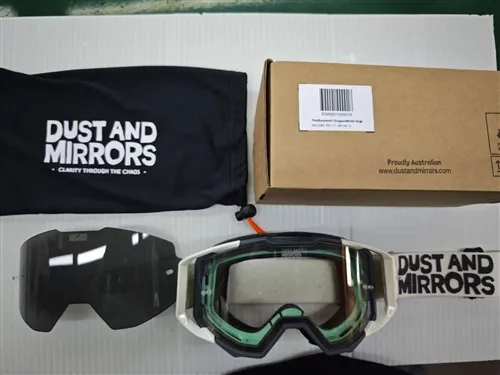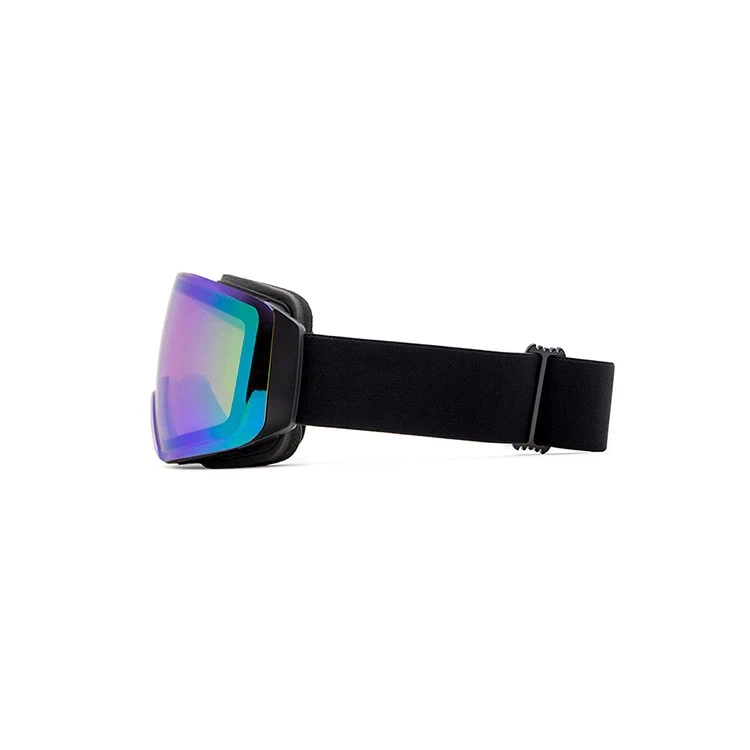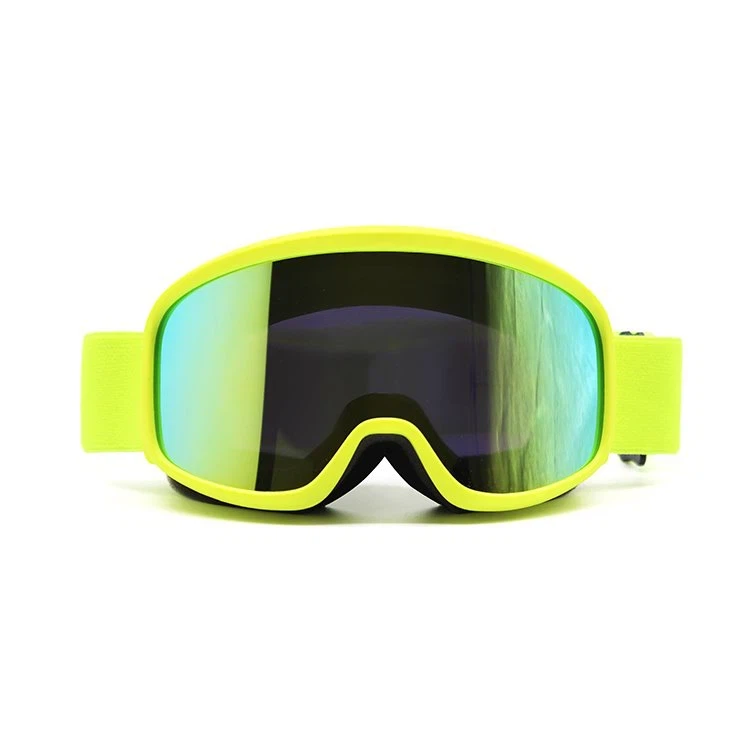
The needs of different lens colors:
1. The gray film belongs to the neutral color system and can absorb any color spectrum in a balanced manner. Although the scene will become dark when viewed, there will be no obvious color difference, which can show a real and natural feeling. Suitable for outdoor activities who like sightseeing and photography.
2. Similar to gray lenses, blue-gray lenses are also neutral lenses, but the color is slightly darker and the visible light absorption rate is higher. If the outdoor activities are particularly bright, you can consider wearing blue-gray eyes.
3. The surface of mercury lens adopts high-density mirror coating. Such lenses absorb and reflect more visible light, and are suitable for long-term outdoor sports.
4. The brown lens filters out a lot of blue light, and to a certain extent, it can improve the visual clarity and contrast. If the environment is severely polluted or foggy, it is better to wear brown outdoor glasses.
5. In addition to absorbing part of the light, the green lens can maximize the green light reaching the eyes, so it has a cool and comfortable feeling and is suitable for friends who are prone to eye fatigue.
6. The yellow lens hardly reduces visible light, but in foggy and twilight hours, it can increase the contrast and provide more accurate video, so it is also called night vision goggles by travel friends. Some young people wear "sunglasses" with yellow lenses as decoration.
7. Other mirror colors such as light blue and light pink are more decorative than practical, so I won’t repeat them here.