Industry Definition and Classification
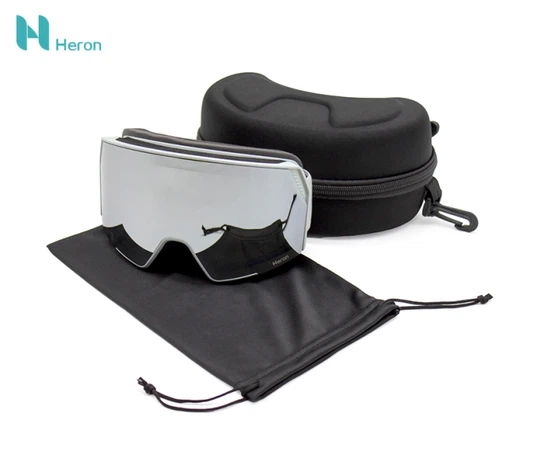
Definition: Ski goggles are protective eyewear tailored for snow sports. They shield the eyes from harsh snow reflections, wind, and debris, ensuring enhanced visibility and comfort during skiing or snowboarding activities.
Classification: Ski goggles can be categorized based on various factors. By lens type, they are divided into spherical and cylindrical lenses, with spherical lenses offering a wider field of view and reduced distortion, while cylindrical lenses are more affordable and suitable for beginner-level skiers. Functionally, goggles may feature anti-fog coatings to prevent condensation, UV protection to shield eyes from harmful radiation, and anti-glare treatments to minimize reflections.
Market Overview and Size
Global Market Size: The global ski goggles market has witnessed significant growth in recent years, fueled by the increasing popularity of snow sports and technological advancements. According to recent data, the market is projected to continue its upward trajectory, driven by consumer preferences for high-performance, stylish, and feature-rich goggles.
Chinese Market: China represents a vibrant segment within the global ski goggles market. With the rapid expansion of ski resorts and the rising middle class's disposable income, the demand for ski goggles has soared.
Technological Advancements and Innovations
Lens Technology: The latest advancements in lens technology have revolutionized the performance of ski goggles. Enhanced anti-fog coatings now ensure clear vision even in extreme cold conditions, while advanced UV protection technologies safeguard eyes from long-term damage. Anti-glare treatments have also evolved, minimizing reflections and maximizing contrast, allowing skiers to navigate challenging terrains with ease.
Smart Ski Goggles: The advent of smart ski goggles marks a significant leap in the industry. These goggles incorporate built-in sensors, head-tracking technology, and displays, offering real-time data such as speed, altitude, and jump analytics. Some models even integrate with smartphones, allowing users to record their skiing adventures, listen to music, or receive navigation prompts.
Market Demand and Driving Factors
Popularity of Snow Sports: The increasing popularity of skiing and snowboarding has been a key driver of ski goggles demand. With more people participating in these sports, the market for protective eyewear has expanded accordingly. As snow sports become more accessible, both in terms of cost and location, the market for ski goggles is poised for further growth.
Rising Safety Awareness: Heightened safety awareness among skiers and snowboarders has also contributed to the market's expansion. Consumers are increasingly recognizing the importance of wearing protective eyewear to prevent injuries. Manufacturers have responded by developing goggles with enhanced safety features, such as impact-resistant lenses and fog-free designs.
Technological Innovation: Technological innovation has been a critical factor in driving the demand for ski goggles. As new materials, lens technologies, and smart features are introduced, consumers are attracted to the enhanced performance and user experience offered by modern goggles.
Related product recommendations